Homebuyers today aren’t just looking for four walls and a roof; they’re looking for spaces that support how they actually want to live. This blog explores why wellness and recreation facilities have become a genuine priority in residential communities, how homes with open floor plans support this shift, and what this means for anyone exploring villa plots in Devanahalli or upcoming villa projects in North Bangalore.
Table of Contents
- Why Wellness Has Moved From “Nice to Have” to “Non-Negotiable”
- What Wellness Actually Looks Like in a Residential Community
- The Role of Open Floor Plans in Everyday Wellbeing
- Why Location Plays a Bigger Part Than People Expect
- The Devanahalli Advantage
- A Quick Word on Essem 18
- FAQs
There’s been a quiet but noticeable shift in what people actually want from their homes. A decade ago, the conversation around a new home revolved almost entirely around size, location, and price. Today, ask anyone house-hunting what matters to them, and wellness comes up far more often than it used to: a proper walking track, decent green cover, a gym that doesn’t feel like an afterthought, spaces that genuinely support how you want to spend your evenings and weekends, not just where you sleep at night.
This isn’t a passing trend. It reflects something real about how people’s priorities have changed, particularly after spending far more time at home than anyone expected over the past few years. Once you’ve experienced what it’s like to have decent recreation space within walking distance, it’s genuinely hard to go back to a home without it.
Why Wellness Has Moved From “Nice to Have” to “Non-Negotiable”
Think about it this way: when most of your day happens within a five-kilometre radius of home, the quality of that radius matters enormously. A jogging track you can actually use every morning, a garden that isn’t just there for photographs, a community hall that gets genuinely used rather than sitting empty most of the year- these things quietly shape how good your daily life actually feels.
This shift has been driven partly by lifestyle changes and partly by simple awareness. People are more conscious of physical and mental health now than they were a generation ago, and that awareness naturally extends to expectations from where they live. A community that supports movement, rest, and social connection isn’t a luxury anymore; it’s increasingly seen as the baseline.
What Wellness Actually Looks Like in a Residential Community
It’s worth being specific here because “wellness” can sound vague until you break it down into what it actually means on the ground. A genuinely wellness-oriented community typically covers a few key things.
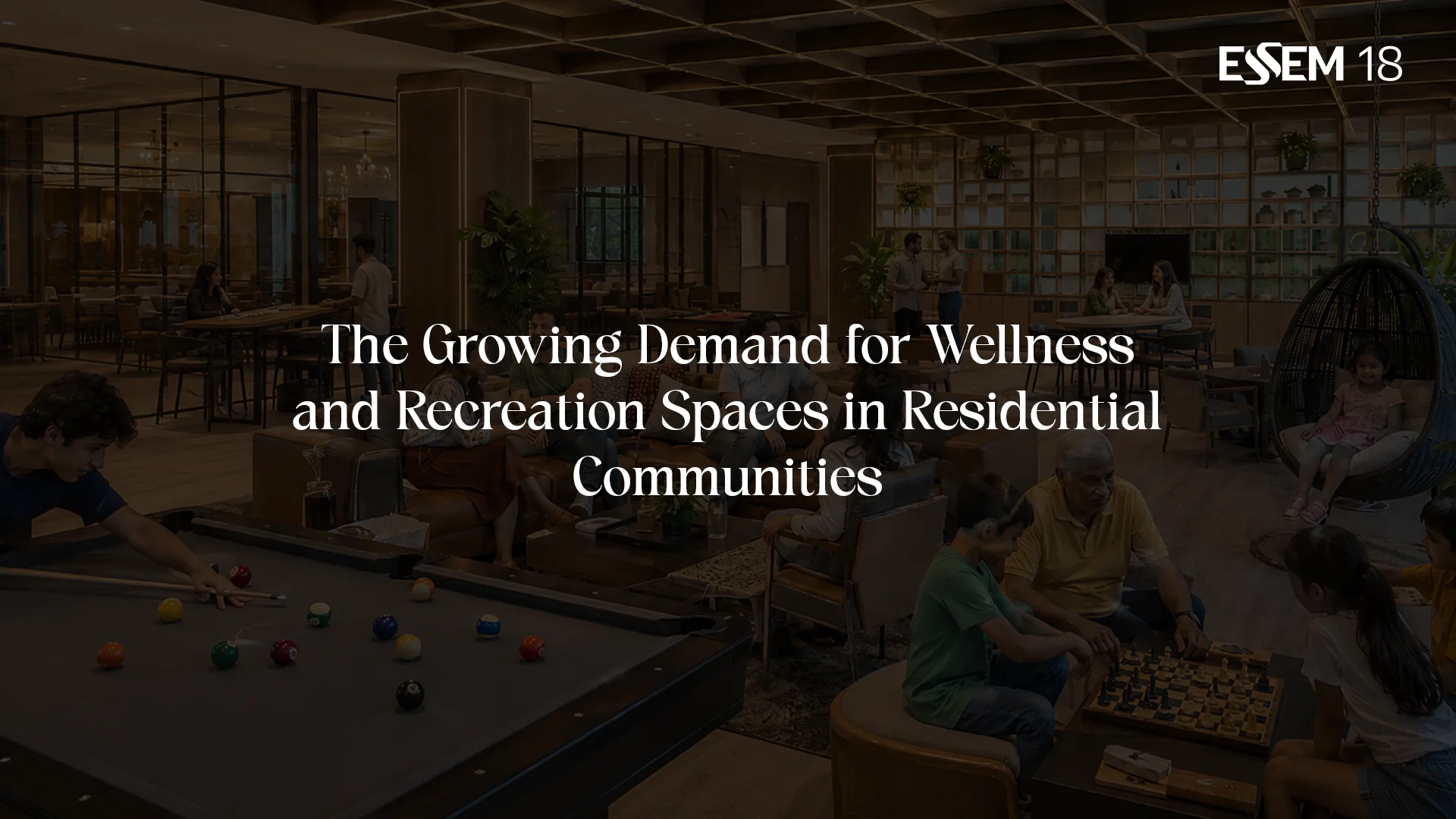
First, there’s physical activity, walking and jogging tracks, a properly equipped gym, sports courts, sometimes a swimming pool. These aren’t just amenities for the brochure; they’re the difference between someone actually exercising regularly and someone who keeps meaning to but never quite gets round to it, because the nearest gym is a twenty-minute drive away.
Second, there’s green space. Landscaped gardens, tree cover, and quiet outdoor seating areas do more for mental wellbeing than people often realise. There’s a reason hospitals increasingly design gardens into their layouts; proximity to greenery genuinely reduces stress, and residential communities have picked up on this too.
Third, and often underrated, there’s community space, halls, courtyards, and shared areas where neighbours actually interact. Wellness isn’t purely physical; a sense of belonging and connection matters just as much, and good design can either encourage that or accidentally prevent it.
The Role of Open Floor Plans in Everyday Wellbeing
Interestingly, wellness doesn’t stop at the community level; it extends into how individual homes are designed too. This is where homes with open floor plans come into the conversation.
An open floor plan, where the kitchen, dining, and living spaces flow into one another rather than being boxed off separately, does more for daily life than it might seem at first glance. It allows natural light to travel further into the home, reduces that closed-in, compartmentalised feeling smaller layouts often create, and genuinely supports how families actually spend time together, cooking, chatting, and relaxing without walls dividing every activity into its own separate room.
There’s a practical wellness angle here too. Better airflow, more natural light, and a layout that doesn’t feel cramped all contribute to a home that genuinely feels good to be in, not just one that photographs well. It’s a subtle shift, but once you’ve lived in a home with a properly open layout, going back to a chopped-up floor plan feels noticeably restrictive.
Why Location Plays a Bigger Part Than People Expect
Here’s something that doesn’t get discussed enough: wellness isn’t just about what’s inside the gate; it’s also about what surrounds the community. A beautifully designed clubhouse means a lot less if the surrounding area is congested, polluted, or simply too far from everything else in your life.
This is exactly why location has become such a central part of the wellness conversation. Areas with genuine green cover, lower pollution, and room to breathe, quite literally, offer something that even the best-designed indoor amenities can’t fully replace. It’s part of why interest in villas near Devanahalli has grown steadily; the area offers a rare combination of open space and improving connectivity that’s becoming harder to find closer to the city centre.
The Devanahalli Advantage
Devanahalli and the broader North Bangalore corridor around it have quietly become one of the more compelling options for anyone prioritising wellness alongside practicality. Proximity to Bangalore’s airport has driven serious infrastructure investment in the area, including better roads, upcoming metro connectivity, and a steady rise in social infrastructure, schools, hospitals, and retail spaces, without the area losing its relatively open, green character.
This combination is exactly why villa plots in Devanahalli have picked up genuine interest recently. Unlike denser, more built-up parts of the city, this corridor still offers the kind of space that supports proper wellness-oriented living, room for gardens, walking paths that don’t double back on themselves every fifty metres, and a pace of life that feels noticeably calmer.
It’s also why the region has become a genuine hotspot for upcoming villa projects in North Bangalore. Developers are increasingly designing communities here specifically around wellness and recreation, rather than treating it as an afterthought, precisely because that’s what buyers in this corridor are actively looking for.
A Quick Word on Essem 18
Essem 18’s Vedam project, spread across 10 acres in Doddajala, right by Bangalore Airport, reflects a lot of this thinking directly. Built around a natural pond, green boulevards, and sustainably planned surroundings, it offers 113 RERA-approved villa plots designed for exactly the kind of wellness-first living this blog has been discussing. Rather than a finished villa with someone else’s decisions already baked in, it offers the space and setting to build a home around homes with open floor plans, genuine green cover, and the kind of daily wellbeing that’s increasingly hard to find closer to the city. For anyone weighing up villa plots in Devanahalli or exploring what North Bangalore’s newer developments have to offer, it’s a project built around exactly this shift in what a good home should feel like.
FAQs
1. Why has wellness become such a priority in residential communities?
As people spend more time at home, the quality of nearby recreation and green spaces has a direct impact on daily wellbeing, making wellness facilities a genuine priority rather than a bonus feature.
2. How do homes with open floor plans support wellbeing?
Homes with open floor plans allow better natural light and airflow, reduce a cramped or boxed-in feeling, and support how families actually spend time together across kitchen, dining, and living areas.
3. Why are villas near Devanahalli becoming popular?
Villas near Devanahalli combine improving connectivity, particularly around the airport, with genuine green space and a calmer pace of life, offering a wellness-friendly alternative to denser parts of the city.
4. What should I look for in villa plots in Devanahalli?
Look for genuine green cover, well-planned internal roads, community infrastructure like clubhouses and walking tracks, and proximity to schools, hospitals, and transport links when choosing villa plots in Devanahalli.
5. Why is North Bangalore seeing more upcoming villa projects?
Improved infrastructure and airport connectivity have made North Bangalore increasingly attractive, driving demand for upcoming villa projects in North Bangalore that prioritise wellness, space, and long-term liveability.